
New River, AZ HVAC Repair: Cost vs. Replacement
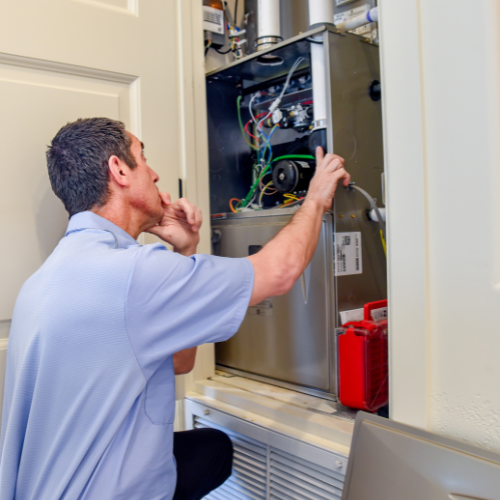
Phoenix homeowners often ask a simple question with a big impact on their wallet: HVAC repair vs replacement. The right choice depends on system age, failure type, efficiency, and Phoenix’s harsh climate. Below, we break down costs, life expectancy, and timing so you can avoid surprise breakdowns and high energy bills. Keep an eye out for our $89 diagnostic and Smart Bucks savings if you’re on the fence.
Quick Answer: When Repair Wins and When Replacement Saves More
- Choose repair when the unit is younger than 10 years, the fault is isolated (like a capacitor, contactor, drain issue, or thermostat), and your energy bills remain stable.
- Choose replacement when the compressor is failing, repairs approach 50% of new-system cost, or your system is past typical life in Phoenix conditions.
Why Phoenix is different:
- Extreme heat, dust, and long run-times age equipment faster than cooler regions. Rooftop package units take extra sun, wind, and dust loads. Preventive maintenance matters more here than almost anywhere else in the country.
True Cost Drivers for HVAC Repair vs Replacement
Understanding what actually moves the cost needle helps you pick the smartest path.
-
Age and life stage of your system
- Typical lifespan in desert conditions: 10–12 years for many split ACs and heat pumps, sometimes less for heavily loaded rooftop units.
- If your unit is 8–10 years old and facing a major repair, weigh total ownership cost for the next 3–5 years vs the jump to a high-efficiency replacement.
-
Type and severity of failure
- Low to moderate cost repairs: capacitors, relays, contactors, minor wiring fixes, drain clearing, thermostat issues.
- Higher cost repairs: blower or condenser fan motors, control boards, coils.
- Very high cost: compressor failures or widespread refrigerant leaks in coils. These often tip the scale toward replacement.
-
Refrigerant considerations
- Leak detection and recharge are fixable, but recurring leaks in old coils can become a money trap.
- Environmentally friendlier refrigerants and better coil designs in newer systems can improve reliability and reduce long-term cost.
-
Energy efficiency gains
- New systems can cut energy use significantly. In hot regions like Phoenix, even a few SEER points can pay back quickly during peak months.
- Energy Star notes that heating and cooling account for about 40% of home energy use in many U.S. homes. Trimming that slice with efficient equipment adds up.
-
Utility rates and run-time profile
- Long, hot Phoenix cooling seasons mean more run-time, which magnifies both inefficiency costs and the value of a higher-efficiency replacement.
-
Warranty status and part availability
- If your system or major components are still under warranty, repair often makes strong financial sense.
- On older models, parts may be pricier or backordered, extending downtime.
-
Code and compliance changes
- As of 2023, SEER2 standards apply nationwide. In the Southwest region, many residential split AC systems target 14.3 SEER2 minimums. Replacing an older, lower-SEER system can reduce bills and improve comfort under Phoenix loads.
The 50% Rule, Explained for Phoenix Homes
The classic guidance: if a repair costs 50% or more of replacement, consider replacing. In Phoenix, it is even more relevant due to long run-times and rooftop wear.
Use this three-part check:
- Repair estimate vs new installed price
- Remaining lifespan in desert conditions
- Energy savings from a newer, higher-SEER2 unit
If a compressor is failing on a 10-year-old rooftop unit, the 50% rule plus energy savings usually favors replacement. If the issue is a single weak capacitor on a 6-year-old split system, repair and a tune-up is the value move.
Common Repairs and What They Typically Mean
- Capacitor or contactor: Often a quick, affordable fix. Great candidates for repair.
- Thermostat or sensor issues: Repair or replace the component. Consider upgrading to a smart thermostat for comfort and savings.
- Drain line clog or float switch trip: Clear the condensate line, clean pan, and consider maintenance to prevent mold and water damage.
- Fan motor or blower motor: Mid-range cost. If the unit is newer, repair. If older and inefficient, assess total ownership cost.
- Control board: Cost varies. Pair the estimate with unit age.
- Coil leaks: Repair may be possible, but repeated leaks can snowball. Replacement often wins if the unit is near end-of-life.
- Compressor failure: Major expense. Usually triggers a repair vs replacement decision conversation.
Phoenix-Specific Factors That Skew the Math
- Dust and monsoon seasons: Finer particulates clog coils and filters faster, raising pressures and energy use.
- Rooftop exposure: UV, wind-blown sand, and 115-degree days deteriorate wiring, insulation, and seals.
- Hard water: Scale buildup can affect drains and evaporative components if not maintained.
- Usage intensity: Many Phoenix homes run AC 9–10 months per year, so efficiency upgrades pay back faster than in cooler markets.
Your Cost Comparison Framework
Follow these steps for a clear, apples-to-apples comparison:
-
Get a diagnostic you can trust
- Start with a thorough inspection, static pressure and airflow checks, electrical testing, and refrigerant analysis.
-
Request two options, side by side
- Repair scope with parts and labor, any warranty on the fix, and preventive steps to avoid repeat problems.
- Replacement options with installed price, efficiency ratings, expected energy savings, financing, and warranty details.
-
Run total cost of ownership
- Add projected energy costs, likely future repairs, and maintenance over the next 3–5 years.
- Include any rebates, financing terms, and membership discounts.
-
Consider downtime and risk
- A borderline repair on a 12-year-old system during July might risk a second outage. A new unit with strong warranties lowers that risk.
What a Quality Repair Visit Looks Like
A professional Phoenix HVAC repair visit should include:
- Initial assessment: Electrical checks, refrigerant measurements, coil and drain inspection, thermostat calibration, and duct review.
- Transparent consultation: Clear photos or videos, line-item pricing, repair vs replacement options, and safety notes.
- Efficient repair: OEM or approved parts, neat workmanship, and cleanup after service.
- Post-service testing: Temperature split, amperage, and static pressure verified before sign-off.
- Prevention guidance: Filter schedule, coil cleaning interval, drain protection, and maintenance plan options.
Our team follows this exact workflow to minimize callbacks and maximize comfort.
Maintenance: The Lever That Protects Your Budget
Regular tune-ups reduce surprise breakdowns and steady your utility bills. Our plans typically include:
- Coil and condenser cleaning
- Refrigerant performance checks
- Filter replacement
- Lubrication and electrical tightening
- Thermostat calibration
- Condensate drain inspection
Phoenix tip: Book pre-summer checks. If you live in dust-prone areas or run a rooftop unit, bi-annual service is smart. Maintenance members receive priority scheduling and discounted repairs, which can turn an on-the-fence replacement into an affordable repair this season.
Repair vs Replacement Scenarios
- Under 8 years old, no major failures: Repair. Add a tune-up and consider IAQ upgrades like better filtration or UV light if dust is a concern.
- 8–12 years old with a mid-cost part failure: Compare. If the unit is inefficient and bills are rising, a higher-SEER2 replacement may win.
- 10–15 years old with coil leak or compressor issue: Replacement often delivers better comfort, reliability, and lower lifetime cost in Phoenix.
- Repeated refrigerant leaks: If leaks recur after quality repairs, replacement protects your budget and comfort.
Commercial Considerations in Phoenix
For businesses and light commercial sites with rooftop units:
- Fast first-visit fixes matter. Stocked vehicles reduce downtime.
- Variable-speed drives, zoning, and controls upgrades can create large utility savings.
- Maintenance contracts with scheduled coil cleaning and inspections keep units online through monsoon and heat waves.
Compliance, Standards, and Why They Matter
- Licensed and insured technicians protect you and your property.
- Manufacturer-authorized protocols and OEM parts support warranty coverage and system longevity.
- SEER2 and local code compliance ensure safe installs and prevent failed inspections when you sell or remodel.
How We Help You Decide, Step by Step
- Diagnose and document the issue.
- Present side-by-side repair vs replacement options with clear pricing.
- Model energy savings and total ownership cost in Phoenix conditions.
- Offer financing for either path so comfort is never delayed.
- Stand behind the work with testing, education, and maintenance options.
Bottom line: HVAC repair vs replacement is not a guess. With the right diagnostic, desert-specific insight, and transparent pricing, you can make the financially smarter choice for your home or business.
Special Offers to Make the Math Work
- $89 HVAC Repair Diagnostic with Next Day Guarantee. Diagnostic charge waived with approved repair.
- $89 HVAC Tune-Up Diagnostic with Next Day Guarantee.
- Smart Bucks Membership: 2 preventive visits, level 1 condenser clean, level 1 drain line blowout, priority service, 15% off repairs, and $500 off system replacement.
- Flexible financing available for repairs and full system replacements.
Call (602) 899-0899 and mention the $89 diagnostic, or visit https://www.deervalleyplumbing.com/ to schedule online today.
What Homeowners Are Saying
"Unbelievably thorough and extensive work, Logan is the best HVAC service provider I have ever seen. Thank you Deer Valley Plumbing and HVAC!"
–Joe, Phoenix
"Bryant was incredibly knowledgeable and friendly. He arrived quickly, diagnosed the issue fast, and fixed everything efficiently. A true professional highly recommend Deer Valley Plumbing for any plumbing emergency"
–Maria, Glendale
"Fast and professional answered all my questions and got the problem fixed quickly"
–David, Scottsdale
"This was my first visit from Deer ValleyPlumbing & AC. I was very pleased andImpressed by my HVAC technician Austin W. Austin was very thorough and knowledgeable and very good at explaining how to address my current situation."
–Rachel, Tempe
Frequently Asked Questions
How do I decide between HVAC repair vs replacement?
Start with a trusted diagnostic. If the repair is under 50% of replacement and your unit is under 10 years old with no major failures, repair is often best. Consider energy savings and warranties.
What is the typical AC lifespan in Phoenix?
Due to heat, dust, and long run-times, many systems last about 10–12 years here. Rooftop units may age faster. Regular maintenance can extend service life.
Will a new system really lower my energy bills?
Yes. Higher SEER2 units can trim significant cooling costs during Phoenix summers. Savings depend on your current SEER, home size, and run-time.
When is a compressor repair worth it?
If the system is young and under warranty, it can be worth repairing. On older units near end-of-life, compressor replacement often costs too much compared to a new system.
Do you offer emergency HVAC repair?
Yes. We provide 24/7 emergency repair across the Phoenix area with fully stocked vehicles for rapid first-visit fixes whenever possible.
Bottom Line
In Phoenix, HVAC repair vs replacement comes down to age, failure type, efficiency, and run-time. Small part failures on younger systems usually favor repair. Major issues on older, inefficient units often make replacement the smarter long-term move. If you need help today, we serve Phoenix, Scottsdale, Glendale, Peoria, Tempe, and more with clear, side-by-side options.
Ready for Answers You Can Trust?
Call Deer Valley Plumbing & Air Conditioning at (602) 899-0899 or book at https://www.deervalleyplumbing.com/.
Use our $89 HVAC Repair Diagnostic with Next Day Guarantee. If you approve the repair, your diagnostic is waived. Prefer to plan ahead? Ask about Smart Bucks for 15% off repairs and $500 off a new system.
Get a same‑day diagnostic, side-by-side repair vs replacement options, and a clear path to comfort.
About Deer Valley Plumbing & Air Conditioning
For 35+ years, Deer Valley Plumbing & Air Conditioning has served Phoenix homes and businesses with licensed, insured HVAC pros. We specialize in desert-climate systems, rooftop units, and indoor air quality. BBB accredited, we offer transparent pricing, 24/7 emergency response, and Energy Star options. Our Smart Bucks memberships add priority scheduling, discounted repairs, and tune-ups. We stand behind OEM-quality parts, code-compliant installs, and clear education so you can decide with confidence.
Sources8
Source links open in a new tab.
- Happy comment by Robin Berrygoogle.com (opens in a new tab)
- Happy comment by Eileen Fernandezgoogle.com (opens in a new tab)
- Happy comment by Austin Grandongoogle.com (opens in a new tab)
- Happy comment by Dale Petrichgoogle.com (opens in a new tab)
- Phoenix Air Conditioning Services | Deer Valley Plumbing & Air Conditioningdeervalleyplumbing.com (opens in a new tab)
- Expert Avondale HVAC Services by Deer Valley Plumbing & Air Conditioningdeervalleyplumbing.com (opens in a new tab)
- Testimonials - Deer Valley Plumbing & Air Conditioningdeervalleyplumbing.com (opens in a new tab)
- Phoenix Heat Pumps | Expert Heat Pump Repair & Replacement in Phoenixdeervalleyplumbing.com (opens in a new tab)